Table of Contents
In today’s digital landscape, the importance of online privacy and security cannot be overstated. This is where the leading virtual private network (VPN) services come into play. Understanding the best options available is crucial for individuals and businesses alike, as these services help protect sensitive information, bypass geographical restrictions, and enhance overall internet security.
This article will explore the top VPN providers, examining their features, performance, and user experiences. Whether you are a casual internet user seeking to safeguard your personal data or a business professional needing secure remote access, knowing which VPNs stand out in the market is essential.
The significance of selecting a reliable VPN service extends beyond mere convenience; it directly impacts your online safety and freedom. With the increasing prevalence of cyber threats and data breaches, investing in a reputable VPN can serve as a vital line of defense against potential risks.
As we delve into the characteristics that define the best VPN services, we will also provide insights into how these tools function. For those unfamiliar with the concept, a VPN creates a secure tunnel between your device and the internet, encrypting your data and masking your IP address. This not only enhances privacy but also allows users to access content that may be restricted in their region. For a deeper understanding of this technology, refer to our comprehensive guide on the VPN definition.
In summary, this article aims to equip you with the knowledge needed to make informed decisions regarding VPN services. By the end, you will have a clearer understanding of which providers can best meet your needs, ensuring a safer and more liberated online experience. For additional insights on related topics, consider exploring our guide on How to Buy a Domain Name: A Beginners Guide and check out this source for community-driven reviews.
Definition of a VPN
A VPN functions by encrypting your internet traffic and routing it through a server operated by the VPN provider. This process masks your IP address, making your online actions harder to trace back to you. Key features of a VPN include:
- Encryption: Protects your data from eavesdroppers and hackers.
- Anonymity: Hides your real IP address, enhancing your online privacy.
- Access: Enables users to bypass geographical restrictions on content.
Understanding these features is crucial for anyone looking to safeguard their online presence.
How VPNs Work
VPNs operate through a series of steps that ensure your data remains secure:
1. Connection Establishment: When you connect to a VPN, your device establishes a secure tunnel to the VPN server. 2. Data Encryption: Your data is encrypted before it leaves your device, ensuring that it cannot be intercepted during transmission. 3. IP Address Masking: The VPN server assigns you a new IP address, making it appear as though you are accessing the internet from a different location. 4. Data Transmission: Your encrypted data travels through the secure tunnel to the VPN server, where it is decrypted and sent to its final destination.
This process not only protects your data but also allows you to access content that may be restricted in your region. For further insights on related topics, you may find it helpful to explore our guide on How to Find DNS Provider for Domain: 11 Easy & Powerful Steps.
In summary, understanding how VPNs work is essential for leveraging their benefits effectively. By utilizing a VPN, users can enhance their online security and enjoy unrestricted access to global content. For a comprehensive overview of the best services available, refer to this source.
Why Use a VPN?
Utilizing a Virtual Private Network (VPN) has become increasingly essential in today’s digital landscape. The advantages of employing a VPN extend beyond mere privacy; they encompass security, accessibility, and overall internet freedom. Understanding these benefits can help users make informed decisions about their online activities.
Benefits of Using a VPN
- Enhanced Security: A VPN encrypts your internet connection, safeguarding sensitive information from cyber threats. This is particularly crucial when using public Wi-Fi networks, where data can be easily intercepted.
- Privacy Protection: By masking your IP address, a VPN helps maintain your anonymity online. This prevents websites and advertisers from tracking your browsing habits and personal information.
- Access to Restricted Content: Many users leverage VPNs to bypass geographical restrictions. This allows access to streaming services, websites, and content that may be unavailable in certain regions.
- Safe Remote Access: For businesses, VPNs enable secure remote access to internal networks. Employees can connect to their company’s resources safely, regardless of their physical location.
Common Use Cases
- Streaming Services: Users often employ VPNs to access content libraries from different countries, enhancing their viewing options on platforms like Netflix or Hulu.
- Online Gaming: Gamers utilize VPNs to reduce latency and avoid region-specific restrictions, ensuring a smoother gaming experience.
- Secure Browsing: Individuals concerned about surveillance or data collection use VPNs to browse the internet securely and privately.
- Bypassing Censorship: In regions with strict internet censorship, VPNs serve as a vital tool for accessing blocked websites and services, promoting freedom of information.
In conclusion, the advantages of using a VPN are manifold, making it a valuable tool for anyone looking to enhance their online experience. For further insights on related topics, consider exploring our guide on Telnet Command 9 Powerful Tricks You Must-Know for Windows & Linux.
Read more: Source
Key Features to Consider When Choosing a VPN
When selecting a virtual private network (VPN), it is crucial to evaluate several key features that can significantly impact your online experience. Understanding these elements will help you make an informed decision tailored to your specific needs.
Security Features
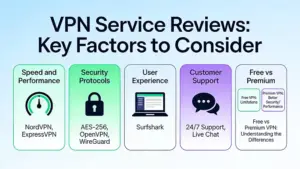
Security is paramount when choosing a VPN. Look for providers that offer robust encryption protocols, such as AES-256, which is considered industry-standard. Additionally, features like a kill switch, which disconnects your internet if the VPN connection drops, and DNS leak protection are essential for maintaining privacy. Multi-factor authentication can further enhance security by requiring additional verification steps. For more on safeguarding your online presence, consider using a Strong Password Generator: 5 Tips That Keep You Safe.
Performance Factors
Performance is another critical aspect to consider. A reliable VPN should provide fast connection speeds and low latency, especially for activities like streaming or gaming. Look for providers that have a wide network of servers across various locations, as this can help reduce congestion and improve overall performance. Additionally, check for bandwidth limits; some VPNs impose restrictions that can hinder your online activities.
User Experience
User experience plays a vital role in the effectiveness of a VPN. An intuitive interface can make navigation easier, especially for those who may not be tech-savvy. Consider whether the VPN offers dedicated apps for multiple devices, including smartphones, tablets, and desktops. Customer support is also important; look for providers that offer 24/7 assistance through various channels, such as live chat or email. Reading user reviews can provide insights into the overall satisfaction of existing customers.
In summary, evaluating security features, performance factors, and user experience will guide you in selecting a VPN that meets your needs effectively. For a comprehensive overview of the best options available, refer to this source.
Top VPN Providers Comparison
When considering various VPN services, it’s essential to analyze key features that differentiate the leading options in the market. This comparison focuses on aspects such as security protocols, server locations, speed, and pricing, which are crucial for making an informed decision.
Security Protocols The best VPN services utilize advanced security protocols to ensure user data remains protected. Common protocols include:
- OpenVPN: Highly secure and widely used.
- IKEv2/IPsec: Known for its speed and stability, especially on mobile devices.
- WireGuard: A newer protocol that offers high performance and security.
Server Locations A diverse range of server locations allows users to bypass geo-restrictions effectively. Leading providers typically offer:
- Global Coverage: Access to servers in numerous countries.
- Specialty Servers: Options for streaming, torrenting, or enhanced privacy.
Speed and Performance Speed is a critical factor for users who stream content or engage in online gaming. Top services often provide:
- Unlimited Bandwidth: No throttling during peak times.
- Optimized Servers: Designed for high-speed connections.
Pricing and Plans Affordability is essential when selecting a VPN. Many providers offer tiered pricing structures, including:
- Monthly Subscriptions: Flexible but often more expensive in the long run.
- Annual Plans: Typically offer significant savings.
Customer Support Reliable customer support can enhance the user experience. Look for:
- 24/7 Availability: Access to help at any time.
- Multiple Contact Methods: Live chat, email, and extensive FAQs.
By evaluating these factors, you can identify a VPN service that aligns with your specific needs. For a deeper dive into the best options available, consult this source. Additionally, if you’re considering establishing an online presence, check out our guide on How to Buy a Domain Name: A Beginners Guide.
Reviews of Top VPN Providers
In this section, we will explore several leading VPN services, highlighting their key features, strengths, and weaknesses. Understanding these aspects will help you make an informed decision when selecting a VPN that suits your requirements.
Provider A
Provider A is renowned for its robust security features and user-friendly interface. Key highlights include:
- Encryption Standards: Utilizes AES-256 encryption, ensuring top-notch data protection.
- Global Server Network: Offers servers in over 60 countries, providing extensive coverage.
- No-Logs Policy: Committed to user privacy, it does not track online activities.
However, some users report that its speeds can fluctuate during peak hours. For more detailed insights, refer to this source.
Provider B
Provider B stands out for its exceptional streaming capabilities. Notable features include:
- Optimized for Streaming: Easily bypasses geo-restrictions on popular platforms.
- User-Friendly Apps: Available on multiple devices, making it accessible for all users.
- Affordable Plans: Competitive pricing with various subscription options.
On the downside, its customer support can be slow at times, which may frustrate users needing immediate assistance.
Provider C
Provider C is a strong contender for those prioritizing speed. Key attributes include:
- High-Speed Servers: Designed for minimal latency, ideal for gaming and streaming.
- Kill Switch Feature: Automatically disconnects your internet if the VPN connection drops, ensuring data safety.
- Multi-Device Support: Allows simultaneous connections on multiple devices.
Despite its strengths, some users have noted that the interface could be more intuitive.
Provider D
Provider D excels in providing comprehensive customer support. Key features include:
- 24/7 Live Chat: Immediate assistance available at any time.
- Extensive Knowledge Base: Offers a wealth of resources for troubleshooting and guidance.
- Flexible Pricing Plans: Options to suit various budgets and needs.
However, its server network is smaller compared to competitors, which may limit options for some users.
By evaluating these providers, you can identify the one that best meets your specific needs. For further assistance in navigating the world of VPNs, consider exploring our guide on How to Find DNS Provider for Domain: 11 Easy & Powerful Steps.
How to Set Up a VPN
Setting up a Virtual Private Network (VPN) is essential for enhancing your online security and privacy. This section provides a comprehensive guide to help you establish a VPN connection effectively.
Step-by-Step Guide
1. Choose a VPN Provider: Select a reputable service that aligns with your needs. Look for features like strong encryption, a no-logs policy, and a user-friendly interface.
2. Download and Install the VPN Application: – Visit the provider’s official website. – Download the application compatible with your device (Windows, macOS, Android, iOS). – Follow the installation prompts to complete the setup.
3. Create an Account: – Open the application and sign up for an account. – Choose a subscription plan that suits your requirements.
4. Log In to the Application: Enter your credentials to access the VPN interface.
5. Select a Server Location: – Browse through the list of available servers. – Choose a location based on your needs (e.g., for accessing region-specific content).
6. Connect to the VPN: Click the connect button to establish a secure connection. You should see a notification confirming that you are connected.
7. Verify Your Connection: – Visit a website like WhatIsMyIP.com to check if your IP address has changed, indicating that the VPN is active.
Troubleshooting Common Issues
If you encounter problems while setting up or using your VPN, consider the following solutions:
- Connection Issues:
- Ensure your internet connection is stable.
- Restart the VPN application or your device.
- Try connecting to a different server.
- Slow Speeds:
- Switch to a server closer to your physical location.
- Disconnect other devices using the same network to free up bandwidth.
- Authentication Errors:
- Double-check your login credentials.
- Reset your password if necessary.
- VPN Not Connecting:
- Disable any firewall or antivirus software temporarily, as they may block the VPN connection.
- Ensure that your VPN application is updated to the latest version.
By following these steps and troubleshooting tips, you can successfully set up and maintain a VPN connection, enhancing your online security. For additional technical insights, consider exploring the Telnet Command 9 Powerful Tricks You Must-Know for Windows & Linux.
Read more: Source
Conclusion
In summary, selecting the right virtual private network service is crucial for ensuring a secure and efficient online experience. The insights provided throughout this discussion highlight the importance of understanding common issues and their resolutions, which can significantly enhance your VPN performance.
When evaluating various options, consider factors such as connection stability, speed, and ease of use. A reliable VPN not only safeguards your data but also allows for seamless browsing and streaming.
To further bolster your online security, it is advisable to implement strong password practices. Utilizing tools like a password generator can help create robust credentials, minimizing the risk of unauthorized access. For more information on this topic, refer to our guide on Strong Password Generator: 5 Tips That Keep You Safe.
Ultimately, the right VPN can transform your internet experience, providing both privacy and accessibility. As you navigate the landscape of VPN services, remember to stay informed and proactive in addressing any technical challenges that may arise. For comprehensive reviews and comparisons of various VPN options, you may also consult authoritative resources such as Source.
FAQ
What are the top features to look for in a VPN provider?
Key features to consider include strong encryption protocols, a no-logs policy, high-speed connections, a wide range of server locations, and user-friendly applications.
How do I choose the best VPN for my needs?
Evaluate your specific requirements such as streaming, torrenting, or privacy, and compare VPNs based on speed, security features, and customer support.
Are free VPNs safe to use?
While some free VPNs may offer basic services, they often compromise on security, speed, and privacy. It’s generally safer to invest in a reputable paid VPN.
Can a VPN improve my internet speed?
In some cases, a VPN can enhance speed by bypassing bandwidth throttling imposed by ISPs. However, it may also slow down your connection due to encryption overhead.
Is it legal to use a VPN?
Yes, using a VPN is legal in most countries. However, ensure you comply with local laws and regulations regarding internet usage.