Table of Contents
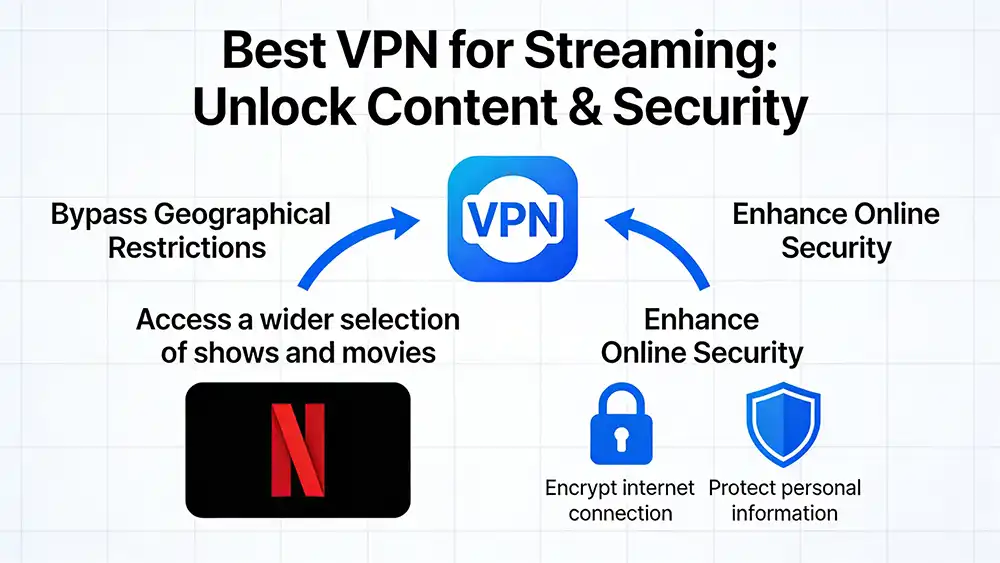
Finding a reliable solution for online privacy and unrestricted content access is essential for users seeking the best VPN for streaming. A dependable VPN circumvents geographical restrictions, granting access to a wider selection of shows and movies. Additionally, a top-tier VPN enhances online security by encrypting your internet connection and protecting personal information.
Streaming platforms often impose content limitations based on your location. A reliable VPN can help you navigate these barriers, allowing you to access a broader range of shows and movies. Additionally, a quality VPN enhances your online security by encrypting your internet connection, safeguarding your personal information from potential threats.
This guide is designed for individuals who regularly consume digital content and wish to enhance their streaming experience. Whether you are a casual viewer or a dedicated binge-watcher, understanding the advantages of a VPN can significantly impact your online activities.
This guide explores key factors for selecting the best VPN for streaming. We will discuss essential criteria, including speed and reliability, to ensure seamless streaming experiences. A dependable VPN prevents interruptions, allowing uninterrupted access to your favorite content. For enhanced online security, consider using a strong password generator. Creating robust passwords for your accounts further protects your personal information while using VPN services like NordVPN, Surfshark, or ExpressVPN.
Read more: Source
Understanding VPNs
A Virtual Private Network (VPN) establishes a secure, encrypted connection over less secure networks like the Internet. By directing your internet traffic through a remote server, a VPN conceals your IP address, rendering your online activities nearly untraceable. This feature is essential for users who value privacy and security while browsing or streaming content. Utilizing a reliable VPN enhances your streaming experience by ensuring your data remains protected from prying eyes.
What is a VPN?
A VPN serves multiple purposes, including:
- Privacy Protection: It hides your IP address, ensuring that your online activities remain anonymous.
- Data Encryption: VPNs encrypt your data, making it difficult for hackers or third parties to intercept your information.
- Access to Restricted Content: By connecting to servers in different locations, users can bypass geographical restrictions and access content that may be unavailable in their region.
In essence, a VPN acts as a secure tunnel for your internet traffic, safeguarding your data from potential threats.
Why Use a VPN for Streaming?
Utilizing a VPN for streaming offers several advantages:
- Bypass Geo-Restrictions: Many streaming services restrict content based on geographic location. A VPN allows you to connect to servers in different countries, enabling access to a broader range of content.
- Enhanced Security: Streaming over public Wi-Fi can expose you to risks. A VPN encrypts your connection, providing an additional layer of security against potential cyber threats.
- Improved Streaming Quality: In some cases, ISPs may throttle your bandwidth during streaming. A VPN can help prevent this throttling, leading to smoother playback and better quality.
In summary, employing a VPN not only enhances your streaming experience by providing access to a wider array of content but also ensures that your online activities remain secure. For further insights into network security, consider exploring Master These 13 Powerful Linux Network Commands Today.
Read more: Source
Key Features to Look for in a VPN for Streaming
When selecting a VPN for streaming, several critical features can significantly enhance your viewing experience. Understanding these elements will help you make an informed decision.
Speed and Performance Streaming requires a stable and fast connection to ensure high-quality playback. Look for a VPN that offers high-speed servers with minimal latency. A reliable VPN should provide consistent performance, allowing you to stream in HD or 4K without buffering interruptions.
Server Locations A diverse range of server locations is essential for accessing various streaming platforms. The more servers a VPN has across different countries, the better your chances of bypassing geo-restrictions. Ensure that the VPN you choose has servers in regions where your desired content is available.
Compatibility with Streaming Services Not all VPNs work seamlessly with popular streaming services. Verify that the VPN you select is compatible with platforms like Netflix, Hulu, Amazon Prime Video, and others. Some VPNs are specifically optimized for streaming, providing dedicated servers that enhance access and performance.
Security and Privacy Features Security is paramount when using a VPN. Look for features such as strong encryption protocols, a no-logs policy, and DNS leak protection. These elements ensure that your online activities remain private and secure, especially when streaming over public networks.
User Experience A user-friendly interface can significantly enhance your experience. Choose a VPN that offers easy installation and intuitive navigation. Additionally, consider customer support options, such as live chat or email assistance, to help resolve any issues that may arise during your streaming sessions.
By focusing on these key features, you can identify a VPN that not only meets your streaming needs but also provides a secure and enjoyable viewing experience. For more insights into network tools, explore 7 Powerful Uses of the nslookup Command in Linux (Complete Guide).
Read more: Source
Top VPNs for Streaming
As you seek the ideal solution for uninterrupted streaming, it’s essential to evaluate the leading VPN options available. The right choice can significantly enhance your viewing experience by providing access to geo-restricted content while ensuring your online privacy. Below, we present a comparison of top VPNs tailored for streaming, highlighting their key features and performance metrics.
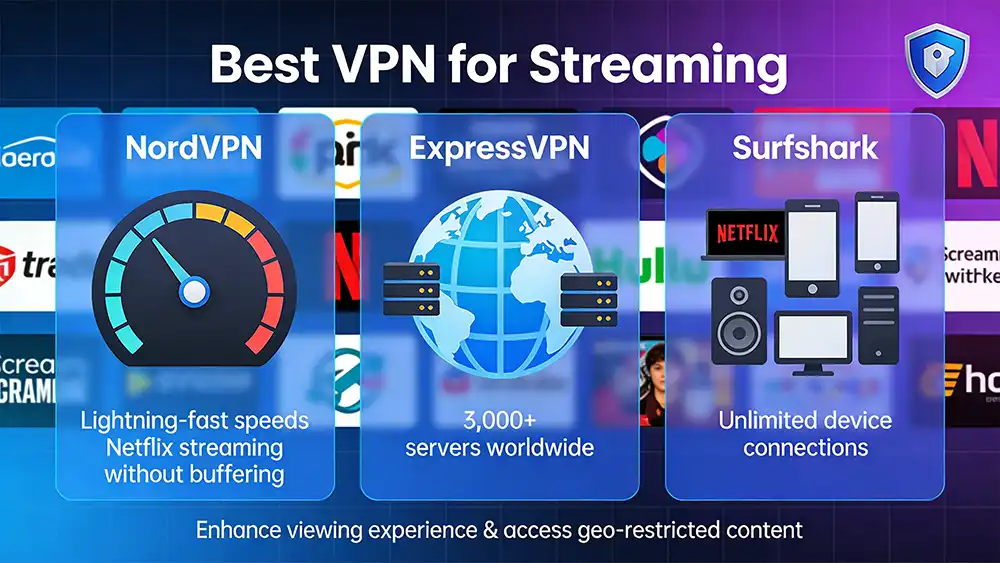
NordVPN offers lightning-fast speeds, making it a top choice for streaming Netflix without buffering. ExpressVPN consistently ranks among the best services, with over 3,000 servers worldwide for optimal access. Surfshark provides unlimited device connections, perfect for families wanting to stream simultaneously on multiple devices.
Comparison Table of Top VPNs
| VPN Provider | Streaming Speed | Number of Servers | Supported Devices | Key Features |
|---|---|---|---|---|
| ExpressVPN | High | 3,000+ | Windows, Mac, iOS, Android, Linux, Routers | Strong encryption, no-logs policy, split tunneling |
| NordVPN | High | 5,400+ | Windows, Mac, iOS, Android, Linux, Routers | CyberSec feature, dedicated IP options, double VPN |
| Surfshark | Moderate | 3,200+ | Windows, Mac, iOS, Android, Linux, Routers | Unlimited devices, CleanWeb feature, MultiHop |
| CyberGhost | High | 7,000+ | Windows, Mac, iOS, Android, Linux, Routers | Streaming-optimized servers, ad blocker, user-friendly interface |
| Private Internet Access | Moderate | 35,000+ | Windows, Mac, iOS, Android, Linux, Routers | Strong privacy features, customizable encryption, port forwarding |
This table provides a snapshot of the leading VPNs, allowing you to compare their capabilities at a glance. When selecting a VPN for streaming, consider factors such as speed, server availability, and device compatibility.
Additionally, ensure that the VPN you choose has robust security features, such as strong encryption and a no-logs policy, to protect your data while you enjoy your favorite shows. For further insights into enhancing your network performance, refer to Powerful Network Troubleshooting Commands: 10 Essential Tips for IT Professionals.
Choosing the right VPN can make a significant difference in your streaming experience, enabling you to access content seamlessly and securely.
Read more: Source
How to Set Up a VPN for Streaming
Setting up a VPN for streaming can enhance your viewing experience by providing access to geo-restricted content and ensuring your online privacy. Follow this guide to configure your VPN effectively.
Step-by-Step Guide
1. Choose a VPN Provider: Select a reputable VPN service that supports streaming. Look for features like high-speed servers, a wide range of server locations, and strong security protocols.
2. Download and Install the VPN Application: Visit the official website of your chosen VPN provider. Download the application compatible with your device (Windows, Mac, iOS, Android, etc.) and follow the installation instructions.
3. Create an Account: Sign up for an account with your VPN provider. You may need to choose a subscription plan that suits your streaming needs.
4. Log In to the VPN Application: Open the application and log in using your account credentials.
5. Select a Server Location: Choose a server in the region where the content you want to access is available. For example, if you want to watch a show available only in the US, connect to a US server.
6. Connect to the VPN: Click the connect button to establish a secure connection. Wait for the connection to be confirmed.
7. Launch Your Streaming Service: Open your preferred streaming platform (e.g., Netflix, Hulu) and start enjoying your content. Ensure that the VPN is active for uninterrupted access.
Troubleshooting Common Issues
If you encounter issues while using your VPN for streaming, consider the following troubleshooting tips:
- Connection Problems: If you cannot connect to the VPN, check your internet connection. Restart your router if necessary.
- Slow Streaming Speeds: If streaming is buffering, try switching to a different server. Some servers may be overloaded, affecting speed.
- Content Not Accessible: If you cannot access specific content, ensure you are connected to the correct server location. Clear your browser cache or try using a different browser.
- VPN Not Working with Streaming Services: Some streaming platforms actively block VPN traffic. If this occurs, try using a different server or consult your VPN provider for recommendations on servers optimized for streaming.
For more advanced troubleshooting, you may explore network analysis techniques, such as those outlined in the 8 Powerful Ways to Use Traceroute Command: Complete Network Path Analysis Guide.
By following these steps and tips, you can effectively set up a VPN for streaming, ensuring a secure and enjoyable viewing experience.
Read more: Source
Conclusion
In summary, selecting an effective virtual private network (VPN) for streaming is crucial for enhancing your online viewing experience. A reliable VPN not only provides access to geo-restricted content but also ensures your data remains secure while you enjoy your favorite shows and movies.
To maximize your streaming experience, consider the following key points:
- Server Selection: Choose a VPN that offers a wide range of servers, particularly those optimized for streaming. This can help you avoid buffering and access content from various regions.
- Speed and Performance: Look for a service that guarantees high-speed connections. Slow speeds can lead to frustrating interruptions during your viewing sessions.
- Compatibility: Ensure that the VPN you select is compatible with the streaming services you intend to use. Some platforms actively block VPN traffic, so it’s essential to choose a provider that can bypass these restrictions.
- Customer Support: Opt for a VPN with responsive customer support. This is invaluable when troubleshooting issues related to streaming or connectivity.
By implementing these strategies, you can enjoy seamless access to your preferred content while maintaining your online privacy. For further insights into network performance, consider exploring resources like What Is the Ping Command? 7 Powerful Insights for Beginners.
Ultimately, investing in the right VPN can significantly enhance your streaming experience, allowing you to enjoy content without limitations.
Read more: Source
FAQ
What features should I look for in a VPN for streaming?
Look for a VPN with a wide range of servers optimized for streaming, high-speed connections, compatibility with major streaming platforms, and responsive customer support.
Can I use any VPN for streaming?
Not all VPNs are suitable for streaming. Choose one that can bypass geo-restrictions and is known for high performance with streaming services.
Will my streaming be slower if I use a VPN?
A quality VPN should not significantly slow down your streaming. Opt for a service that guarantees high-speed connections to minimize buffering.
Are there any VPNs that work with Netflix?
Yes, some VPNs are specifically designed to bypass Netflix’s restrictions. Look for providers that are known to work reliably with Netflix.
How do I set up a VPN for streaming?
To set up a VPN for streaming, choose a reputable VPN provider, install their application, connect to a server optimized for streaming, and then access your desired content.