Table of Contents
In the ongoing debate surrounding free vs premium VPN, the comparison between free and premium options is crucial for users seeking online privacy and security. This article delves into the key differences between these two types of VPN services, helping you make an informed decision based on your specific needs and circumstances. Understanding the nuances of free and paid VPNs is essential for anyone looking to safeguard their online activities, whether for personal use or business purposes.
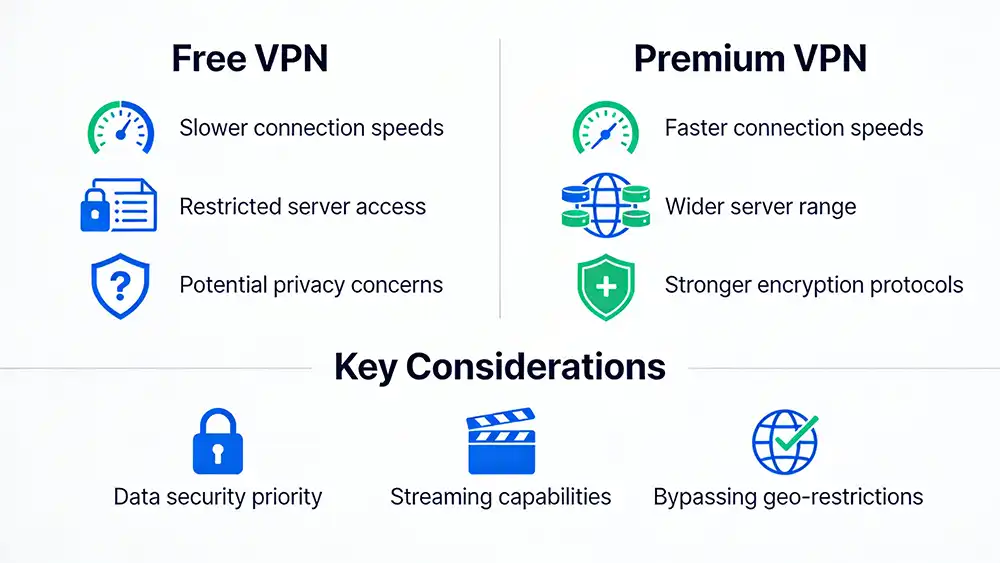
Free VPNs often attract users with their no-cost offerings, but they come with significant limitations. These may include slower connection speeds, restricted server access, and potential privacy concerns. On the other hand, premium VPNs typically provide enhanced features such as faster speeds, a wider range of servers, and stronger encryption protocols.
This discussion is particularly relevant for individuals who prioritize data security, streaming capabilities, or bypassing geo-restrictions. By examining the advantages and disadvantages of both free and paid VPN services, you will gain insights into which option aligns best with your requirements.
For a deeper understanding of what a VPN is and how it functions, consider exploring our comprehensive guide on the VPN definition. Additionally, for insights from the community, you may find the discussion on free vs paid VPNs valuable.
In summary, the choice between free and premium VPN services is not merely a matter of cost; it involves weighing the trade-offs between functionality, security, and user experience. This article aims to equip you with the knowledge necessary to navigate this important decision effectively.
What is a VPN?
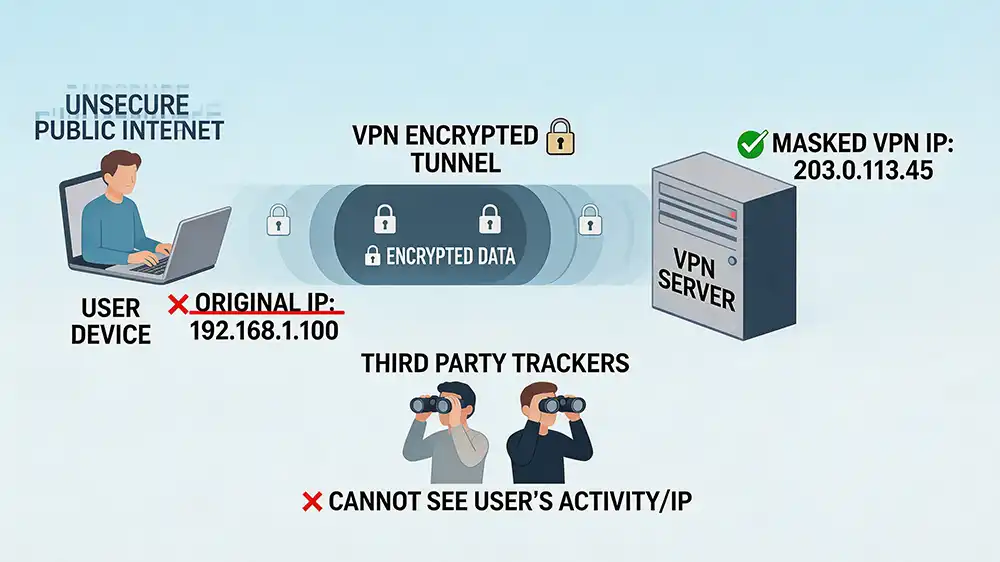
A Virtual Private Network (VPN) is a technology that creates a secure and encrypted connection over a less secure network, such as the Internet. This technology is essential for protecting sensitive data and ensuring privacy while online. By using a VPN, users can mask their IP addresses, making it difficult for third parties to track their online activities.
Definition of a VPN
A VPN serves as a private tunnel between your device and the internet. It encrypts your data, ensuring that it remains confidential and secure from potential eavesdroppers. Key features of a VPN include:
- Encryption: Protects data by converting it into a secure format.
- Anonymity: Masks your IP address, allowing for anonymous browsing.
- Access Control: Enables users to bypass geo-restrictions and access content from different regions.
Understanding these features is crucial when evaluating different VPN options, especially when considering the differences between free and paid services.
How VPNs Work
VPNs operate by routing your internet connection through a remote server operated by the VPN provider. This process involves several steps:
1. Connection Establishment: When you connect to a VPN, your device establishes a secure connection with the VPN server. 2. Data Encryption: Your data is encrypted before it leaves your device, ensuring that it cannot be intercepted during transmission. 3. IP Address Masking: The VPN server assigns a new IP address to your connection, effectively hiding your original IP address from websites and online services. 4. Data Transmission: Your encrypted data travels through the secure tunnel to the VPN server, where it is decrypted and sent to its final destination.
This mechanism not only enhances security but also allows users to access restricted content, making VPNs a valuable tool for both personal and professional use. For more detailed insights into the technical aspects of VPNs, consider exploring resources such as How to Find DNS Provider for Domain: 11 Easy & Powerful Steps.
Read more: Source
Types of VPN Services
When evaluating VPN options, it is essential to understand the distinctions between free and premium services. Each type offers unique features, benefits, and limitations that cater to different user needs.
Free VPNs
Free VPN services are often appealing due to their no-cost nature. However, users should be aware of several critical factors:
- Limited Features: Free VPNs typically offer basic functionalities, such as limited server locations and bandwidth restrictions.
- Data Privacy Concerns: Many free services may log user data or display ads, raising concerns about privacy and security.
- Slower Speeds: Due to high user volumes and limited resources, free VPNs often result in slower connection speeds.
- Inconsistent Reliability: Users may experience frequent disconnections or downtime, impacting the overall user experience.
While free VPNs can be useful for casual browsing or testing, they may not provide the level of security and performance required for more demanding tasks.
Premium VPNs
Premium VPN services, on the other hand, offer a more robust and reliable experience. Key advantages include:
- Enhanced Security Features: Premium options often include advanced encryption protocols, kill switches, and DNS leak protection, ensuring a higher level of security.
- Faster Speeds: With dedicated servers and fewer users per server, premium VPNs typically provide faster and more stable connections.
- Wider Server Network: Premium services usually offer a broader range of server locations, allowing users to bypass geo-restrictions more effectively.
- No Data Logging: Many premium VPNs have strict no-logs policies, ensuring that user activity remains private.
Investing in a premium VPN can significantly enhance online security and provide a seamless browsing experience, making it a worthwhile consideration for users who prioritize privacy and performance.
For a deeper understanding of the differences between free and paid VPN services, refer to this source.
Check out our guide on DNS A Record vs CNAME Explained: 7 Powerful Differences Between
Key Differences Between Free and Premium VPNs
Understanding the distinctions between complimentary and paid VPN services is crucial for users seeking optimal online security and performance. The following aspects highlight the primary differences that can influence your choice.
Security Features
Free VPNs often lack robust security measures, which can expose users to various risks. In contrast, premium VPNs provide advanced security features, including:
- Encryption Protocols: Premium services utilize strong encryption standards, safeguarding user data from potential breaches.
- Kill Switch: This feature automatically disconnects your internet if the VPN connection drops, preventing data leaks.
- DNS Leak Protection: Ensures that DNS requests are routed through the VPN, maintaining user anonymity.
These enhanced security features make premium options a safer choice for those who prioritize privacy.
Speed and Performance
When it comes to speed, free VPNs typically struggle due to limited bandwidth and overcrowded servers. Premium VPNs, however, offer:
- Dedicated Servers: These services often have a larger number of dedicated servers, resulting in faster and more reliable connections.
- Reduced User Load: With fewer users per server, premium VPNs can maintain optimal speeds, enhancing the overall browsing experience.
This difference in performance can be significant for users who engage in bandwidth-intensive activities, such as streaming or gaming.
Customer Support
Customer support is another area where free and premium VPNs diverge. Free services usually provide minimal support, often relying on community forums. In contrast, premium VPNs offer:
- 24/7 Customer Service: Access to dedicated support teams via live chat, email, or phone.
- Comprehensive Resources: Detailed FAQs, troubleshooting guides, and tutorials to assist users.
Having reliable customer support can be invaluable, especially when encountering technical issues.
Device Compatibility
Device compatibility is essential for users who wish to secure multiple devices. Free VPNs may have restrictions on the number of devices that can connect simultaneously. Premium VPNs typically offer:
- Multi-Device Support: Many premium services allow connections on various devices, including smartphones, tablets, and routers.
- Cross-Platform Compatibility: Premium VPNs often support a wide range of operating systems, ensuring seamless integration across devices.
This flexibility is crucial for users who want to protect their entire digital ecosystem.
In conclusion, while free VPNs may seem appealing, the advantages of premium services in terms of security, performance, support, and compatibility make them a more viable option for users serious about their online privacy. For further insights into VPN functionalities, consider exploring the Ifconfig Command 7 Powerful Tricks Every Linux User Must Know.
Read more: Source
Comparison Table: Free vs Premium VPN
When evaluating the differences between complimentary and paid virtual private networks, it is essential to consider various factors that impact user experience and security. The following table summarizes key distinctions:
| Feature | Free VPNs | Premium VPNs |
|---|---|---|
| Security | Basic encryption; potential data leaks | Advanced encryption; robust security protocols |
| Speed | Slower speeds due to bandwidth limitations | High-speed connections with no throttling |
| Data Limitations | Often capped data usage | Unlimited data for uninterrupted browsing |
| Customer Support | Limited or no support available | 24/7 customer support with dedicated assistance |
| Ads and Tracking | Frequently ad-supported; may track user activity | Ad-free experience; strict no-logs policy |
| Device Compatibility | Limited to a few devices | Supports multiple devices and platforms |
| Geographic Access | Restricted access to servers | Wide range of servers for global access |
Understanding these differences is crucial for users who prioritize their online privacy and performance. While free options may provide basic functionalities, they often come with significant drawbacks. For a deeper understanding of related concepts, you may find it beneficial to read about the 5 Critical Differences Between IP Address vs MAC Address You Must Know and how they relate to your online security.
Ultimately, the choice between complimentary and paid VPN services should align with your specific needs and expectations for online safety and performance. For more detailed comparisons, refer to this source.
Considerations When Choosing a VPN
When selecting a VPN service, it is essential to evaluate various factors that can significantly impact your online experience. Understanding your specific requirements will help you make an informed decision between free and paid options.
Use Case Scenarios
Different users have varying needs when it comes to VPN usage. Here are some common scenarios:
- Streaming Content: If your primary goal is to access geo-restricted content, a premium VPN is often more reliable. These services typically offer faster speeds and a broader selection of servers, ensuring a seamless streaming experience.
- Privacy and Security: For users concerned about online privacy, a paid VPN usually provides stronger encryption protocols and a no-logs policy, which are critical for safeguarding personal information.
- Frequent Travel: If you travel often and need to access your home network or services, a premium VPN can provide consistent access to servers in your home country, ensuring you can bypass regional restrictions.
- Casual Browsing: For light users who primarily browse the web without sensitive data, a free VPN may suffice. However, be cautious of potential data limitations and slower speeds.
Budget Considerations
Cost is a significant factor when choosing a VPN. Here are some points to consider:
- Free VPNs: While they may seem appealing, free services often come with limitations such as data caps, slower speeds, and fewer server options. Additionally, some may compromise your privacy by logging your data or displaying ads.
- Premium VPNs: Although they require a subscription, paid services typically offer better performance, enhanced security features, and customer support. Investing in a premium VPN can be worthwhile for users who prioritize online safety and reliability.
- Long-term Value: Consider the long-term benefits of a premium service. Many providers offer discounts for annual subscriptions, making it more cost-effective over time.
In conclusion, assessing your use case and budget will guide you in selecting the right VPN service. For further insights into related topics, consider exploring the differences between IP address and MAC address, which can enhance your understanding of online security.
Check out our guide on Choose ip vs ifconfig Today: 6 Important Reasons
Read more: Source
Conclusion
In evaluating the differences between free and paid VPN services, it becomes clear that the choice hinges on individual needs and priorities. Free VPNs may attract users with their no-cost appeal, but they often come with significant drawbacks that can undermine the very purpose of using a VPN—privacy and security. Users may find themselves facing limitations such as restricted bandwidth, slower connection speeds, and a lack of reliable customer support.
On the other hand, premium VPNs provide a more robust solution. With features like advanced encryption, a wider range of server locations, and dedicated customer assistance, these services cater to users who value their online safety. The investment in a paid VPN can yield substantial long-term benefits, especially for those who frequently engage in activities requiring secure internet access.
Ultimately, the decision should align with your specific requirements. If you prioritize security, speed, and customer support, opting for a premium service is advisable. For those with minimal needs or who are simply exploring VPN technology, a free option may suffice temporarily.
For a deeper understanding of related technical concepts, consider reviewing Route Command 9 Powerful Examples You Must Know (Linux & Windows). Additionally, for further insights into the ongoing debate between free and paid VPNs, refer to this source.
FAQ
What are the main differences between free and premium VPN services?
Free VPNs often have limitations such as restricted bandwidth, slower speeds, and lack of customer support, while premium VPNs offer advanced encryption, a wider range of server locations, and dedicated assistance.
Are free VPNs safe to use?
While some free VPNs may provide basic privacy, many compromise user security through data logging, ads, or malware, making premium VPNs a safer choice for protecting your online activities.
Is it worth paying for a premium VPN?
Yes, investing in a premium VPN can provide long-term benefits such as enhanced security, faster speeds, and reliable customer support, especially for users with significant online privacy needs.
Can I switch from a free VPN to a premium one later?
Absolutely, many users start with free VPNs and later upgrade to premium services as their needs for security and performance grow.
Do premium VPNs offer better customer support than free ones?
Yes, premium VPNs typically provide dedicated customer support, including live chat and email assistance, which is often lacking in free VPN services.